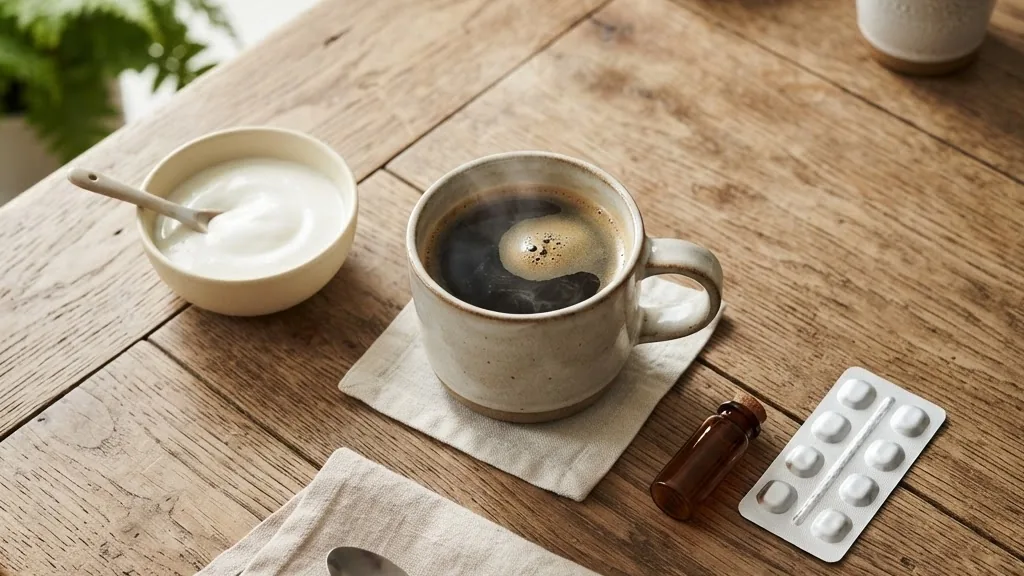
Can i drink coffee after tooth extraction is the question people type with a fresh gauze pad in their mouth and a cold espresso machine calling from the kitchen. The short version most clinics give you is: skip anything hot for the first 24 hours, then wait somewhere between 24 and 72 hours before your usual cup, and hold out longer if a wisdom tooth or a surgical extraction was involved. The longer version matters, because most of the advice floating around blames the wrong culprit. The real danger is not the caffeine. It is the heat and the suction.
That distinction changes what you do next. If you believe caffeine itself dislodges the clot, you avoid decaf too, and you panic over a single sip. If you understand that heat and straw suction are the drivers, you can make smarter calls: a lukewarm decaf sipped from the rim of a cup is a very different risk from a scalding latte pulled through a straw. This guide reconciles the contradictory timelines you have already seen, sources every number, and tells you exactly what to do if you already drank your coffee.
Quick answer: Can i drink coffee after tooth extraction? Not hot coffee for the first 24 hours. Most dentists say wait 24 to 72 hours before resuming, and longer for surgical or wisdom-tooth removals where the dry-socket base rate is far higher. The clot needs time to stabilize. Heat encourages bleeding and drinking through a straw can pull the clot loose. Once cleared, start lukewarm, sip from the cup, keep portions small, and skip the straw entirely.
The straight timeline: when coffee is actually safe again
Most dentists put the baseline at avoiding hot coffee for the first 24 hours, then resuming somewhere in the 24-to-72-hour window for a straightforward extraction, and waiting longer after surgical or wisdom-tooth removal. The spread exists for a real reason, not because clinics disagree at random. A simple single-tooth extraction closes and stabilizes faster than a bony impacted lower wisdom tooth that needed cutting and stitches. The clot in a small socket is protected sooner. The clot in a large surgical wound stays vulnerable longer, which is why conservative surgeons push the coffee date out to several days rather than one.
Here is the reconciled version, sorted by procedure type:
- Simple extraction: no hot coffee for 24 hours; lukewarm coffee often fine once bleeding has stopped and the site looks calm.
- Surgical or wisdom-tooth extraction: wait longer, because the dry-socket base rate is dramatically higher; play it safe past 72 hours and follow your surgeon’s leaflet.
- Multiple extractions: treat like the most complex site you had, and go slow.
The NHS aftercare instruction is narrower than the blog rules suggest. It tells patients to avoid hot food and drinks for the first 24 hours and not to rinse or spit for 24 hours, then start warm salt-water rinses. There is no NHS rule to abstain from coffee for five days.


Why coffee is risky, split by the mechanism that actually matters
Coffee after an extraction carries three commonly cited risks, and only two of them hold up. The first is heat: a hot drink causes vasodilation, widening blood vessels at the wound and encouraging bleeding or slowing the clot’s grip. The second is suction: drinking through a straw, or sipping with a strong pull, creates negative pressure in the mouth that can physically lift the clot out of the socket. The third, repeated across nearly every single-clinic blog, is that caffeine itself dislodges the clot by increasing blood flow. That last claim is the weakest, and treating it as gospel leads people to the wrong precautions.
The evidence-backed drivers of a lost clot are heat and mechanical suction. The verified risk factors for dry socket in the medical literature center on trauma of the extraction, smoking, and surgical difficulty, not on how much caffeine you consumed. The American Dental Association and the American Association of Oral and Maxillofacial Surgeons frame aftercare around clot protection and avoiding disturbance, not around a caffeine ban.
What this means in practice:
- A scalding latte is riskier than a room-temperature one, regardless of caffeine.
- Any drink through a straw is a bigger threat than the coffee itself.
- Decaf is not a magic pass, because heat and suction apply to it identically.
So the honest answer corrects the popular framing: worry about temperature and how you drink, not the caffeine molecule. If you enjoy tracking down cafes and their drink lineups, a curated set of drink recipes is worth a bookmark for the week your mouth heals and you switch to cold, gentle options.
The blood clot and dry socket: the numbers behind the fear
The clot that forms in the empty socket within the first hours is the entire point of the aftercare rules. It seals the wound, protects the underlying bone and nerve endings, and lays the groundwork for gum tissue to grow back. Dislodge it early and you expose bare bone to air, food, and bacteria, which is the condition called alveolar osteitis, or dry socket. According to the StatPearls reference on the NCBI Bookshelf maintained by the National Institutes of Health, dry socket occurs in roughly 0.5 percent to 5 percent of all extractions, and the pain characteristically starts and peaks around 1 to 3 days, commonly 2 to 4 days, after the tooth comes out.
That base rate climbs steeply for the hardest cases. For mandibular lower third molars and surgical wisdom teeth, published incidence rises to roughly 20 percent to 30 percent, with individual studies reporting figures as high as 37.5 percent. The gap between 5 percent and 30 percent is exactly why timeline advice differs so much between a simple pull and an impacted wisdom tooth.
Dry socket announces itself with a few unmistakable signs:
- A throbbing, sharp pain that arrives a couple of days after the extraction, often worse than the day of surgery.
- A foul taste or bad breath coming from the socket.
- Visible loss of the clot, leaving what looks like an empty or whitish socket.
The pain is real because the exposed bone and nerves have lost their protective cover. Peer-reviewed reviews indexed on PubMed and PMC, the National Library of Medicine repositories, put smoking near the top of the risk list. One prospective third-molar study reported an odds ratio of 6.41, with a 95 percent confidence interval of 2.86 to 14.36, for smokers developing dry socket. That is a far larger effect than anything attributed to a cup of coffee.
Day-by-day: what your socket is doing and when coffee fits in
Recovery follows a predictable arc, and matching your coffee habit to it removes the guesswork. In the first 24 hours the clot forms and is at its most fragile, which is why every authority converges on avoiding hot drinks and disturbance during this window. From 24 to 72 hours the clot stabilizes but the wound is still tender, and this is when discomfort peaks. Pain and swelling generally worsen for up to about 72 hours after extraction and then ease, according to University College London Hospitals NHS post-operative instructions. After that, soft tissue steadily closes over the coming days and weeks.
Mapped against your cup:
- 0 to 24 hours: no hot coffee, no straw, no rinsing or spitting. Bite firm on gauze for about 10 to 30 minutes to control bleeding, repeating once if needed, per UCLH and NHS leaflets.
- 24 to 72 hours: begin warm salt-water rinses, roughly one teaspoon of salt in warm water, 3 to 4 times a day. Lukewarm coffee is reasonable for a simple extraction once bleeding has stopped.
- Day 3 to 7: most simple sockets tolerate normal-temperature coffee; surgical sites still deserve caution.
- Week 2 onward: soft tissue is well on its way to healed for straightforward cases.
The 72-hour peak is also the dry-socket window, so if new sharp pain arrives around day 2 to 4 rather than fading, that timing is a flag, not normal recovery. Keeping a simple recovery log on your phone alongside your usual routine, the way some people track their coffee flights and tasting notes, makes it easy to notice when pain is trending the wrong way instead of settling.
Hot vs iced vs cold brew vs decaf: the temperature and acidity breakdown
Not all coffee poses the same risk, and sorting the formats by their real properties beats a blanket ban. Heat is the primary concern, so a scalding drip coffee sits at the top of the caution list while a cold or room-temperature option sits far lower. Iced coffee removes the heat problem entirely, which is why many dentists green-light it earlier than hot coffee, provided you skip the straw and keep it gentle. Cold brew is cold by definition and is often smoother and less acidic than hot-brewed coffee. Decaf changes nothing about temperature or suction, so it earns no special pass despite the widespread belief that avoiding caffeine is the point.
The practical ranking, safest to riskiest in the early window:
- Cold brew or iced coffee, no straw: lowest thermal risk; the straw rule still governs.
- Lukewarm coffee, sipped from the cup: reasonable once bleeding stops in simple cases.
- Hot coffee: the one to postpone the longest.
Acidity gets overstated. Some blogs claim coffee acidity promotes bacterial growth or infection at the socket, but there is no clot-infection causal evidence for coffee specifically. If acidity bothers a tender mouth, cold brew and lower-acid roasts are gentler by nature. For a walkthrough of milder options, this guide to a well-known low-key roaster’s lineup, the Flower Child Coffee buyer guide, covers roast profiles worth choosing during recovery. And if you drink decaf for the reduced caffeine rather than the healing, the mechanics of how it is made are covered in a separate rundown on the solvents and milligrams involved.
The straw rule, the drinks to skip, and the safe swaps
The single most important instruction is not about coffee at all: do not use a straw for any drink in the early recovery window. Straws create the negative pressure that lifts clots out of sockets, and this applies to water, smoothies, milkshakes, and iced coffee alike. The straw is a bigger, better-documented risk than the coffee it might deliver. Alongside the straw ban, a handful of drinks deserve the same avoidance window as hot coffee, while plain water at room temperature is the reliably safe default from the start.
Drinks to avoid in the first day or two:
- Alcohol: interferes with clotting and healing; a genuine reason to wait, distinct from the weak caffeine claim.
- Carbonated drinks: the fizz and the tendency to swish can disturb the site.
- Very hot tea or coffee: same heat problem as any hot drink.
Certain factors make the waiting matter far more, and if any apply to you, err toward the longer end of every timeline: active smoking, difficult or surgical extractions, poor oral hygiene, oral contraceptive use, and a history of prior dry socket. Smokers carry that outsized odds ratio of 6.41 for a reason. During the soft-food days, a slow-cooked, gentle meal beats anything requiring vigorous chewing, and a comforting option like this slow cooker ham and lentil soup is easy to eat lukewarm. When you feel ready for a little more, protein matters for healing, and a batch of high-protein recipes can be adapted soft and warm rather than hot. For a heartier option once chewing feels more comfortable, a dish like this one-pot sausage and sun-dried tomato pasta is easy to portion soft and warm.
I already drank coffee. Now what?
If you already drank coffee after your extraction, do not panic, because a single lukewarm sip from a cup rarely undoes anything. Assess two things: how hot the coffee was, and whether you used a straw or pulled hard with suction. A room-temperature or iced coffee sipped gently is low risk. A hot drink or one taken through a straw is the scenario that warrants closer watching over the next day or two. Stop the coffee for now, switch to room-temperature water without a straw, and avoid rinsing or spitting for the rest of the 24-hour window if you are still inside it.
Then watch the socket. The reassuring sign is that discomfort continues to ease after the roughly 72-hour peak. The warning sign is new, sharp, throbbing pain that appears or worsens around day 2 to 4, often with a bad taste, which fits the dry-socket pattern documented in StatPearls and PMC reviews. If that happens, call your dentist rather than waiting it out, because dry socket is treatable in the chair and there is no benefit to enduring it.
Call your dentist or seek help if you notice any of the following:
- Bleeding you cannot control after biting on gauze for 10 to 30 minutes and repeating once.
- Severe pain that intensifies after day 2 instead of fading.
- A foul taste, discharge, fever, or spreading swelling.
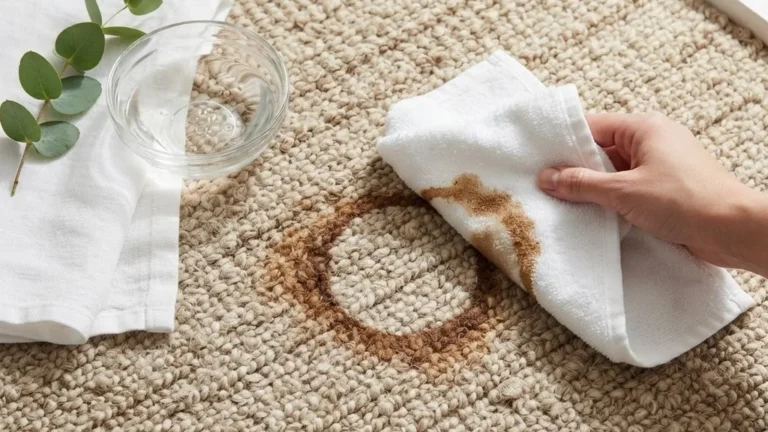
Coffee stains are the least of your worries here, but if a shaky post-surgery hand tips a cup, the fix is straightforward and covered in a separate guide on removing coffee stains from carpet.
Permits, food safety, and the authorities that shape aftercare advice
The aftercare rules you follow at home are downstream of standards set by named bodies, and knowing who governs what tells you which advice to trust. The American Dental Association sets general dental standards and patient guidance in the United States, while the American Association of Oral and Maxillofacial Surgeons governs oral surgery and wisdom-tooth extraction protocols. In the United Kingdom, the NHS and its Foundation Trust leaflets, including guidance from Kent Community Health NHS Trust and University College London Hospitals, publish the freely available post-extraction instructions that most reliable advice traces back to.
For the science rather than the bedside instructions, the peer-reviewed layer is where accuracy lives. StatPearls on the NCBI Bookshelf, maintained by the National Institutes of Health, is the reference clinicians reach for on alveolar osteitis incidence and pathophysiology. PubMed and PMC, run by the National Library of Medicine, host the primary studies behind the numbers, including that 6.41 odds ratio for smokers and the 20 to 30 percent surgical incidence range. Cochrane Oral Health is the systematic-review authority for prevention claims about extraction interventions.
When these sources conflict with a single-clinic blog, weight the institutions. The blog cluster’s “wait five days for coffee” framing does not appear in NHS guidance at all; Kent Community Health NHS Trust specifies only that drinks should not be too hot and that you should not rinse or spit for 24 hours. Consumer-facing explainers from Mayo Clinic and Cleveland Clinic are solid secondary reading. For deeper primary literature you can search the PubMed database directly. The same instinct to check the governing body before trusting a claim applies well beyond dentistry, whether you are reading a product recall notice or a street vendor’s posted permit at a lineup of local food trucks.
Frequently asked questions
Can I drink iced coffee after tooth extraction?
Iced coffee is generally safer than hot coffee because it removes the heat that encourages bleeding. Many dentists allow it earlier, on two conditions: no straw and gentle sipping. The straw creates suction that can lift the clot, so drink from the cup rim, keep portions small, and stop if any bleeding restarts.
Does decaf coffee make it safe to drink sooner?
Decaf offers no special advantage for socket healing. The real risks are heat and suction, not caffeine, so a hot decaf carries the same thermal risk as regular hot coffee. If you switch to decaf, still wait through the first 24 hours for hot versions, avoid the straw, and start lukewarm. The caffeine content is not the deciding factor in clot safety.
Can I drink coffee through a straw after an extraction?
No. Avoid straws for all drinks in the early recovery window, not just coffee. The suction from drinking through a straw generates negative pressure that can physically dislodge the protective clot and trigger dry socket. This is one of the best-documented mechanical risks after extraction, and it applies to water and smoothies too, so sip directly from the cup instead.
When can I drink coffee after wisdom tooth removal?
Wait longer than for a simple extraction. Lower surgical wisdom teeth carry a dry-socket incidence of roughly 20 to 30 percent, far above the 0.5 to 5 percent for routine extractions, so caution past 72 hours is wise. Follow your surgeon’s specific leaflet, start with lukewarm or cold coffee, skip the straw, and delay hot coffee until the site is clearly settling.
Can I drink coffee on day 2 after a tooth extraction?
For a simple extraction, lukewarm coffee sipped from a cup is often reasonable on day 2 once bleeding has stopped. Avoid very hot coffee and any straw. Day 2 also overlaps the dry-socket pain window, which peaks around 2 to 4 days, so if sharp new pain appears rather than steady improvement, hold off on coffee and contact your dentist.
Does caffeine actually cause dry socket?
The evidence for caffeine causing dry socket is weak. StatPearls and PMC reviews point to trauma, surgical difficulty, and smoking as the documented risk factors, with smokers showing an odds ratio of 6.41. The popular claim that caffeine dislodges the clot by boosting blood flow is not well supported. Heat and straw suction are the mechanisms that genuinely threaten the clot.
Medical review and last updated
This guidance reflects post-extraction aftercare consistent with NHS leaflets, the American Dental Association, the American Association of Oral and Maxillofacial Surgeons, and StatPearls on the NCBI Bookshelf. It is general information, not a substitute for the specific instructions your dentist or oral surgeon gives you. If you have severe pain, uncontrolled bleeding, or signs of infection, contact your dental provider promptly.