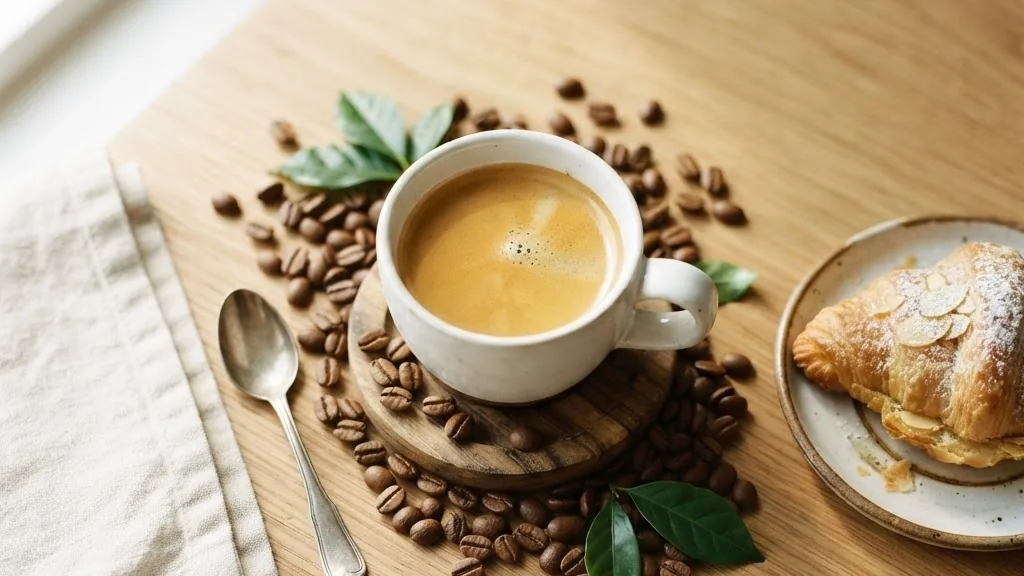
Leet coffee is a search term with two honest meanings, and untangling them is the most useful thing this page can do first. The name borrows “leet,” the hacker-and-gaming spelling of “elite,” so plenty of people typing leet coffee into a search bar want a high-caffeine, performance-branded roast. Others arrive looking for a small independent roaster that happens to share the name. Either path leads to the same four questions: how much caffeine, which beans, how to brew, and whether the price holds up. Start with the bean chemistry in our guide to Arabica and Robusta caffeine.
Quick answer: Leet coffee is a brand name, not a regulated product category, so what matters for safety is caffeine dose rather than the label. A standard 8 fl oz (240 mL) brewed cup holds roughly 95 to 96 mg of caffeine according to the U.S. Department of Agriculture, and the U.S. Food and Drug Administration treats 400 mg per day as the safe ceiling for healthy adults. Any elite or gaming-energy blend built on Robusta will land near the top of that range. Brew between 195 and 205 F, watch the roughly 5-hour caffeine half-life before sleep, and judge the coffee on real cost per cup.
What “Leet Coffee” Actually Means
Leet coffee refers to coffee branded around “leet,” also written 1337, the hacker slang for “elite” that grew out of 1980s bulletin board system culture and spread through 1990s and 2000s gaming communities. The term signals speed, mastery, and insider status, which is why a coffee wearing it usually promises focus and high energy rather than delicate tasting notes. That framing sets buyer expectations before a single bean is ground. No regulator defines “leet” as a coffee grade, so the word carries marketing weight, not a quality guarantee. If you want an objective measure instead, the Specialty Coffee Association grades coffee on a 100-point cupping scale and reserves the label “specialty” for beans that score 80 points or higher. A leet-branded bag may or may not clear that bar, and the name alone will never tell you.
The disambiguation matters for buyers. Three different things can sit behind the same query:
- A performance-positioned coffee brand leaning on gaming and hacker identity.
- An unrelated independent roaster or cafe that simply chose the name.
- Merchandise or novelty products using the 1337 motif without much coffee behind them.
Before trusting any health or caffeine claim on a product page, confirm which one you are looking at. A brand can borrow the culture of the World Barista Championship or the credibility of a Q Grader without employing either. Ask for the roast date, the origin, and the species split; those three answers separate a serious roaster from a themed label.
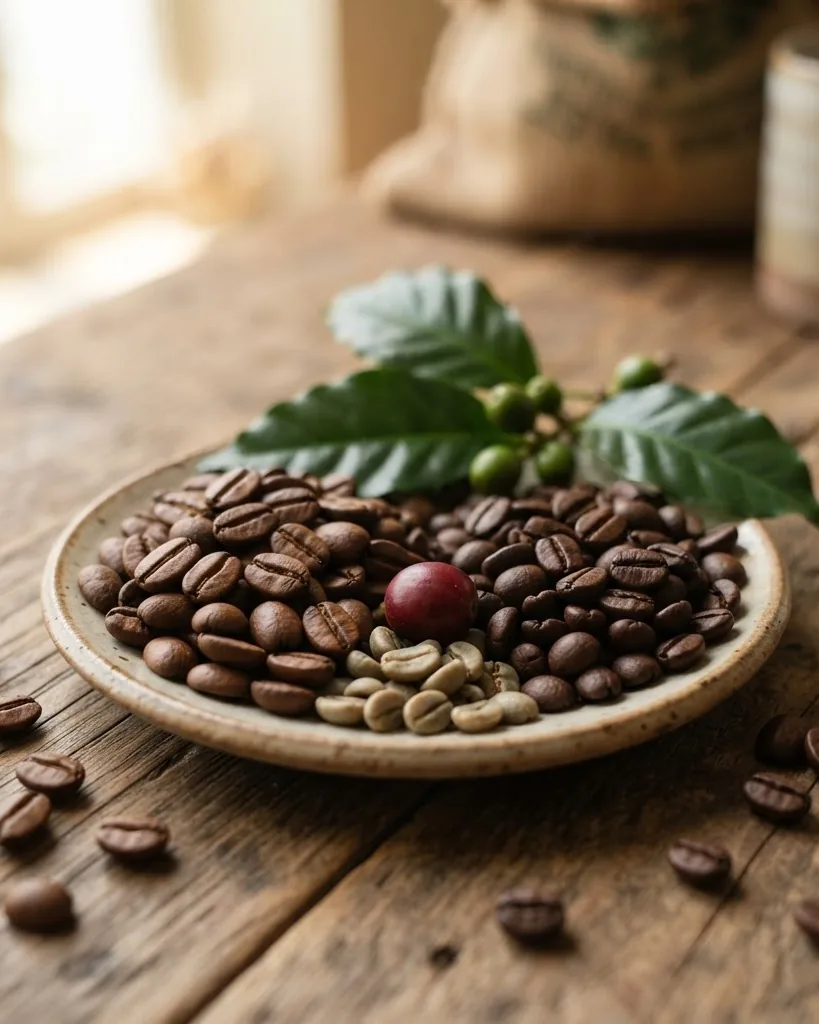
Arabica, Robusta, and Where the Caffeine Comes From
Caffeine content in any coffee traces back mostly to the bean species, and that is where an “elite energy” pitch either holds up or falls apart. Robusta beans contain roughly 2.2 to 2.7 percent caffeine by dry weight, close to double the 1.2 to 1.5 percent typically found in Arabica beans, according to species data compiled by bodies such as the International Coffee Organization. A blend that wants a hard caffeine punch leans Robusta; a blend chasing sweetness and clarity leans Arabica. This is the single most useful spec a leet-style brand can disclose and the one most often left off the bag. The Arabica-to-Robusta ratio, stated as a percentage, tells you more about the real energy hit than any “clean focus” tagline. When it is missing, assume the roaster either does not know or would rather you did not.
Robusta earns its place beyond raw caffeine. The species is hardier, cheaper, and delivers more crema and body in espresso, which is why traditional Italian espresso blends have used it for decades. The trade-off is flavor: higher Robusta content brings a rubbery, grainy bitterness that specialty roasters usually avoid. A gaming-focused coffee has a genuine reason to accept that trade, since the buyer is often optimizing for milligrams and staying power, not for a bright washed Ethiopian cup.
Format changes the math too. The same beans behave differently depending on how you buy them:
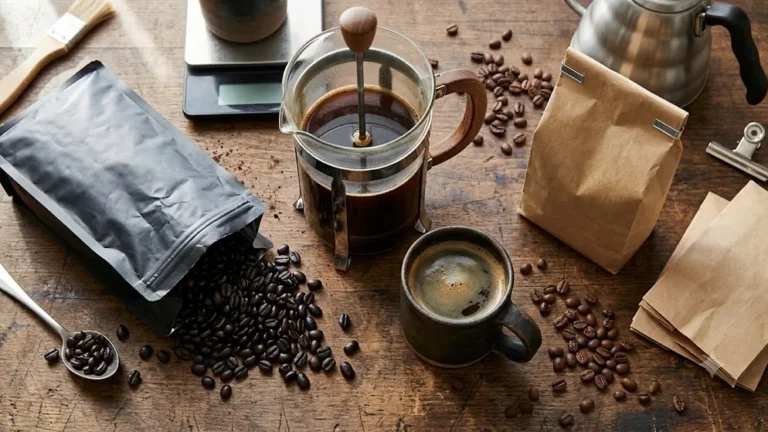
- Whole bean keeps the most aroma and lets you match grind to method.
- Pre-ground is convenient but stales faster once the bag is opened.
- Pods and capsules fix the dose but hide the species split and roast date.
- Ready-to-drink and cold brew concentrate can carry high caffeine loads in a small volume.
For a performance blend, the practical takeaway is simple: a Robusta-heavy leet-branded cup can push well past the 95 to 96 mg that the U.S. Department of Agriculture lists for a standard Arabica-based 8 fl oz cup. Two mugs of a Robusta-forward roast can quietly approach a large share of a full day’s safe caffeine budget before lunch. That is not dangerous by itself, but it is the reason the species split belongs on the label next to the roast date.
Processing method matters less for caffeine but a lot for taste. Washed, natural, and honey processing change acidity and sweetness without moving the caffeine needle much, so a brand cannot use “natural process” as a stand-in for a high-energy claim. If a page markets intensity, look for the species ratio; if it markets flavor, look for origin and process. The two claims answer different questions and should not be collapsed into one vague promise of “elite” coffee.
How Much Caffeine Is Safe: FDA, EFSA, and ACOG Limits
Caffeine safety for a coffee like this comes down to published dose thresholds, not brand promises, and several health authorities have set clear numbers. The U.S. Food and Drug Administration states that up to 400 mg of caffeine per day is generally not linked to dangerous effects in most healthy adults. The European Food Safety Authority reached a compatible conclusion in its 2015 opinion, published as EFSA Journal 2015;13(5):4102: single doses up to 200 mg and daily intakes up to 400 mg are unlikely to raise safety concerns for healthy adults. For children and adolescents, the same European Food Safety Authority assessment puts the guide at 3 mg of caffeine per kilogram of body weight per day. Because a standard 8 fl oz cup runs about 95 to 96 mg, four such cups land near the 400 mg adult ceiling, and a Robusta-heavy blend gets there in fewer cups.
The numbers get more specific for two groups. During pregnancy, the American College of Obstetricians and Gynecologists advises keeping caffeine under 200 mg per day, noting that moderate intake below that level does not appear to be a major contributing factor to miscarriage or preterm birth. Anyone in that situation should read the primary guidance rather than a coffee label; the caffeine guidance at the FDA’s consumer updates page is a reasonable starting point.
Timing is the part gamers and coders get wrong. Caffeine has an average biological half-life of roughly 5 hours in healthy adults, which means half the dose from a 4 p.m. cup is still circulating at 9 p.m. If a late session matters more than the coffee, the math argues for cutting off earlier. General sleep-timing advice from the MedlinePlus healthy sleep guide lines up with that logic. For the clinical side, the EFSA caffeine topic page keeps a reviewed overview of caffeine effects, withdrawal, and interactions worth reading before you build a daily habit around a high-caffeine roast.
One older worry is off the table. In 2016, the International Agency for Research on Cancer, part of the World Health Organization, reclassified coffee itself as Group 3, meaning not classifiable as to its carcinogenicity to humans, in IARC Monographs Volume 116. That reversed a 1991 classification that had flagged possible risk. Coffee as a drink is not the concern; dose and timing are.
Practical limits for a leet-style, high-caffeine coffee:
- Healthy adult ceiling: 400 mg per day (FDA and EFSA).
- Single-dose caution line: 200 mg at once (EFSA).
- Pregnancy: under 200 mg per day (ACOG).
- Teens: 3 mg per kilogram of body weight per day (EFSA).
Sensitive individuals feel the same dose harder. People with certain cardiovascular conditions, anxiety, or slow caffeine metabolism can hit unpleasant effects well below 400 mg, and no brand can predict where an individual sits. The safe move with an unfamiliar high-caffeine roast is to start with a single 8 fl oz cup, note how you feel over the next few hours, and scale from there rather than pouring a double the first time. Coffee is the single largest source of caffeine in the U.S. adult diet, so a stronger-than-average bag can shift a daily total more than people expect.
Brand-specific lab data is usually the missing piece. Almost no leet-style coffee publishes a measured milligram figure per serving, so treat any “extreme caffeine” claim as unverified until the roaster shows a number. When the label is silent, the USDA baseline of 95 to 96 mg per standard cup is the honest anchor, adjusted upward for Robusta content.
Sourcing, Certifications, and Food-Safety Oversight
Sourcing transparency separates a serious roaster from a themed label, and a handful of named programs do the certifying. The U.S. Department of Agriculture runs the National Organic Program, which sets the legal standard behind any “USDA Organic” seal on a coffee bag. Fair Trade USA governs Fair Trade certification and publishes minimum price floors paid to coffee farmers, a documented economic claim rather than a vague ethics statement. Rainforest Alliance certifies farms that meet its environmental and social criteria. On quality, the Coffee Quality Institute administers the Q Grader credential, the industry’s leading professional coffee-evaluation certification. A leet-branded coffee that names an origin region, a processing method, and at least one of these certifiers is telling you something checkable; one that only says “premium beans” is not.
Food-safety oversight sits on top of certification. In the United States, the FDA regulates coffee as a food and beverage, which covers labeling accuracy and facility standards, while the European Food Safety Authority handles equivalent scientific risk assessment in the European Union. Neither body certifies taste; they govern safety and truthful labeling. What that means for a buyer is concrete:
- Origin and process claims should be specific enough to verify, not just “single origin.”
- Certification seals should name the certifying body, since the logo is the accountability.
- Roast date beats a distant “best by” date for judging freshness.
The National Coffee Association’s National Coffee Data Trends report finds that roughly 62 to 66 percent of Americans drink coffee daily, which is why it remains the largest single source of caffeine in the U.S. adult diet. When origin, process, certifier, and roast date are all present, a brand has earned some trust; when they are absent, the leet styling is doing the heavy lifting alone.
Brewing Settings by Method
Brewing settings for a leet-style coffee follow the same physics as any other bean, and the Specialty Coffee Association publishes the parameters worth copying. Water temperature should sit between 90 and 96 C, which is 195 to 205 F, hot enough to extract without scorching the grounds. Grind size is the main lever that changes by method: coarse for French press, medium for drip and pour-over, fine for espresso. Contact time follows grind, since finer grounds give up flavor faster. Because a Robusta-heavy blend already leans bitter, err slightly coarser and slightly shorter to keep from stacking bitterness on bitterness. Treat the roaster’s suggested settings as a first guess and adjust from there. The species split and roast level, more than the brand name, decide where you land.
Match method to what you want from the cup:
- Pour-over: clean, bright, best for showing off Arabica origin character.
- French press: heavier body, forgiving, good with darker roasts.
- Espresso: concentrated and fast, where Robusta crema and caffeine shine.
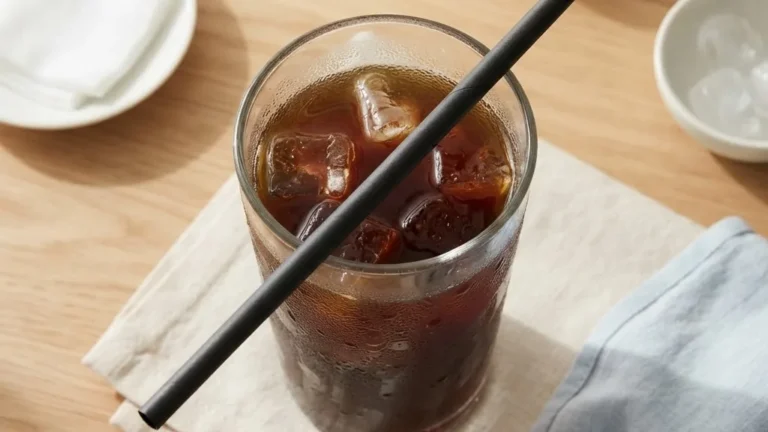
- Cold brew: low acidity and a high caffeine load from a long steep.
The reliable habit across every method is the same: change one variable at a time, taste, and write down what you did. Skip that and you will chase the same bitter cup in circles without knowing which knob caused it.
Cost Per Cup: The Corrected Formula
Cost per cup is where a lot of coffee marketing quietly misleads, and getting the formula right settles the value question fast. The correct calculation divides the total bag price by the number of servings the bag yields, not the other way around. Take a 340 g bag priced at 15 USD with a 10 g serving: the bag holds 340 divided by 10, or 34 servings, and each cup costs 15 USD divided by 34, roughly 0.44 USD per cup. A common inverted version flips those, dividing servings by price, and produces 34 divided by 15, about 2.27, which is servings per dollar, not dollars per cup. Same numbers, wrong unit, misleading answer. Anchor the comparison on dollars per cup and a leet-branded bag stops hiding behind a scary-looking sticker price.
Two rules keep the comparison honest:
- Use the same serving weight across every coffee you compare, or the per-cup numbers are not comparable.
- Compare against the right alternative: mainstream specialty coffee for flavor buyers, and, if the brand pushes a gaming-energy angle, against canned energy drinks for the caffeine-per-dollar crowd.
A premium per-bag price can still win on cost per cup if the servings are generous, which is exactly why the formula, not the sticker, decides value.
Who Is This Coffee For?
Leet coffee suits three buyer types, and matching yourself to one avoids disappointment. The casual drinker wants convenience and a pleasant cup, and is usually better served by a moderate Arabica-forward roast that will not overshoot the 400 mg daily ceiling. The specialty enthusiast wants origin, process, and score transparency, and should treat the leet styling as irrelevant unless the bag also names an SCA-style grade or a Q Grader. The high-caffeine, gaming or coding user wants milligrams and staying power, and is the natural fit for a Robusta-heavy blend, provided they respect the 5-hour half-life around sleep. If a product page will not tell you which of these three it serves, that silence is your answer, and a more transparent roaster deserves the order instead.
5 Brew Fixes for Bad Extraction
Bad extraction shows up as two flavors, and naming which one you have fixes it fast. Over-extraction tastes harsh, dry, and bitter because too much has been pulled from the grounds; under-extraction tastes sour, thin, and salty because too little came out. A Robusta-heavy blend starts closer to the bitter end, so most problems with a leet-style roast lean over-extracted. The three variables you actually control are grind size, water temperature, and contact time, and the Specialty Coffee Association’s 90 to 96 C window keeps temperature from being the culprit. Change one thing, brew again, and taste before touching a second variable. That discipline turns a vague “this tastes bad” into a repeatable recipe you can hand to someone else.
Five fixes, in the order to try them:
- Bitter and dry: grind coarser, which slows extraction and cuts harshness.
- Sour and thin: grind finer or extend contact time to pull more out.
- Flat and dull: confirm water temperature is inside 195 to 205 F before blaming the beans.
- Muddy French press: skim the crust and decant off the grounds sooner.
- Weak espresso: tighten the grind and check the dose, since Robusta needs a firm puck for good crema.
Log each change. The fastest path to a good cup is a written record of what you altered, not a new gadget.
Frequently Asked Questions
How much caffeine is in a cup of leet coffee?
No brand publishes a verified figure for most leet-style roasts, so use benchmarks. A standard 8 fl oz cup holds about 95 to 96 mg of caffeine per USDA data, and a Robusta-heavy blend sits higher because Robusta carries 2.2 to 2.7 percent caffeine by dry weight versus 1.2 to 1.5 percent for Arabica. Treat any “extreme” claim as unverified until a milligram number appears.
Is a high-caffeine coffee safe for daily use?
For healthy adults, the FDA and EFSA both put 400 mg of caffeine per day as the safe ceiling, with EFSA adding a 200 mg single-dose caution line. A Robusta-forward roast can reach those limits in fewer cups than average coffee, so track your total across the day rather than trusting the label’s tone or a “clean energy” tagline.
Can I drink it while pregnant?
The American College of Obstetricians and Gynecologists advises staying under 200 mg of caffeine per day during pregnancy, noting that moderate intake below that level does not appear to be a major contributing factor to miscarriage or preterm birth. A single standard cup fits that budget; a strong Robusta double may not. Confirm the details with your clinician first.
Does the leet or 1337 name mean better coffee?
No. “Leet,” written 1337, is hacker and gaming slang for “elite” that started in 1980s bulletin board system culture, and it carries marketing weight, not a quality grade. The Specialty Coffee Association’s 100-point scale and its 80-point specialty threshold are the objective measures. A themed name and a high cupping score are completely unrelated things.
How late is too late to drink it before bed?
Caffeine has an average half-life near 5 hours in healthy adults, so half of an afternoon dose is still active five hours later. If sleep matters that night, stop several hours before bed, and lean earlier with a Robusta-heavy blend. General sleep-timing guidance from the CDC supports cutting caffeine off well before your target bedtime.
Does coffee cause cancer?
Current evidence says no. In 2016 the International Agency for Research on Cancer, part of the World Health Organization, reclassified coffee as Group 3, not classifiable as to its carcinogenicity to humans, in IARC Monographs Volume 116, reversing a 1991 flag. The drink itself is not the concern; caffeine dose and timing are the practical issues.
The Bottom Line
The name is culture; the coffee is chemistry. Judge any leet-branded bag on four checkable things: the Arabica-to-Robusta ratio, a milligram caffeine figure or the honest USDA baseline of 95 to 96 mg, named certifiers, and a real cost per cup. Respect the 400 mg daily ceiling and the 5-hour half-life, brew inside the Specialty Coffee Association’s 195 to 205 F window, and the branding stops mattering. When you are ready to dial in a specific method, our step-by-step pour-over ratio walkthrough takes it one variable at a time.